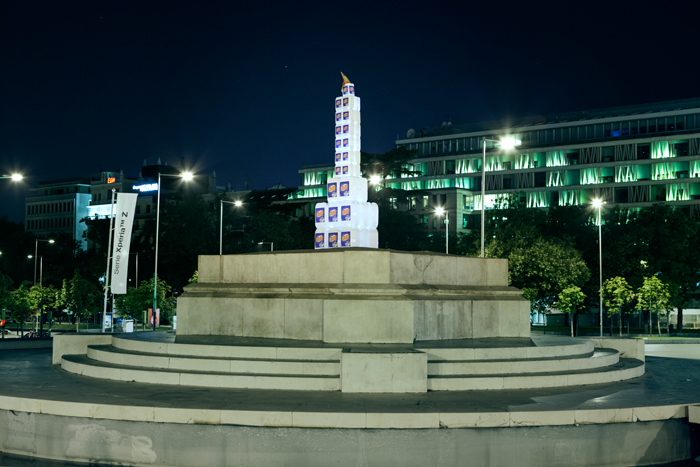
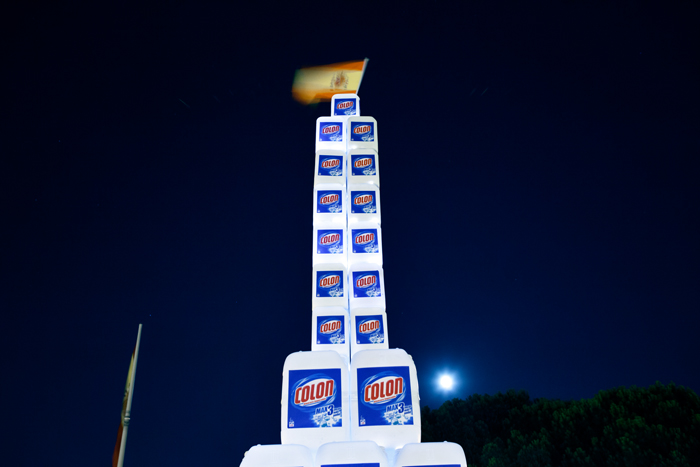
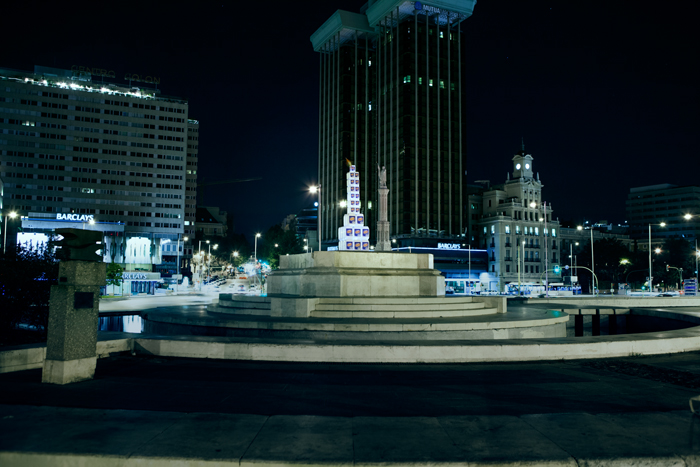
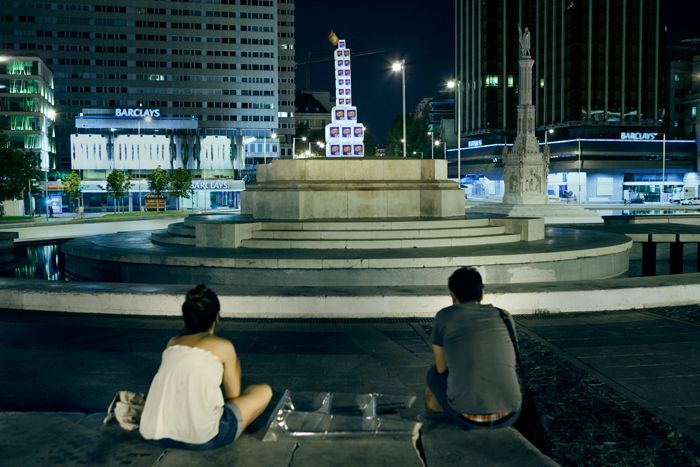
Consumerist Christmas Tree / Árbol de navidad consumista
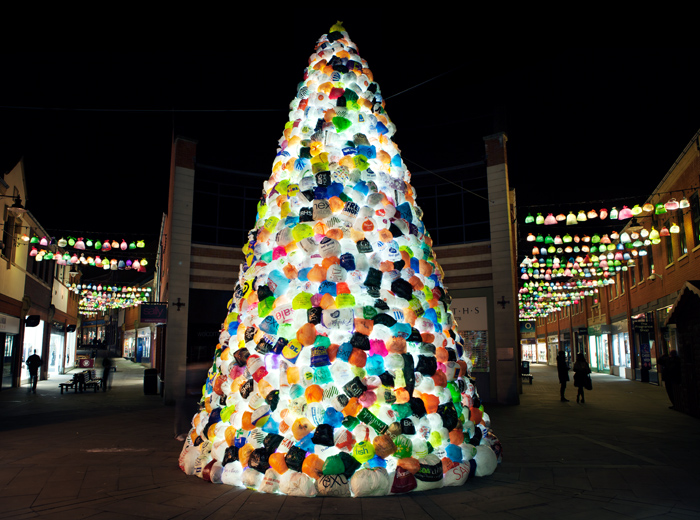


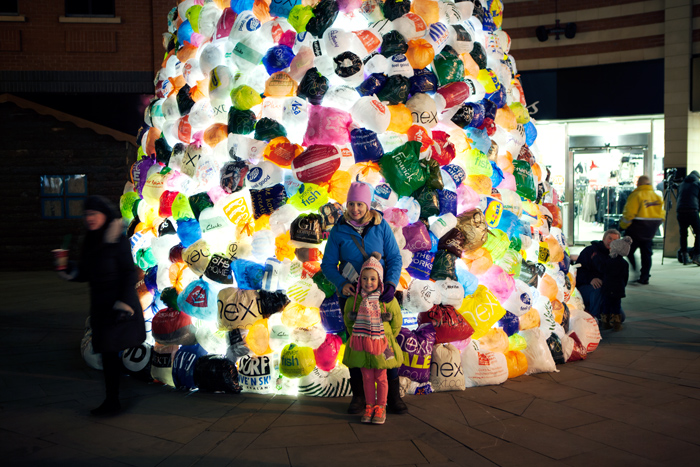
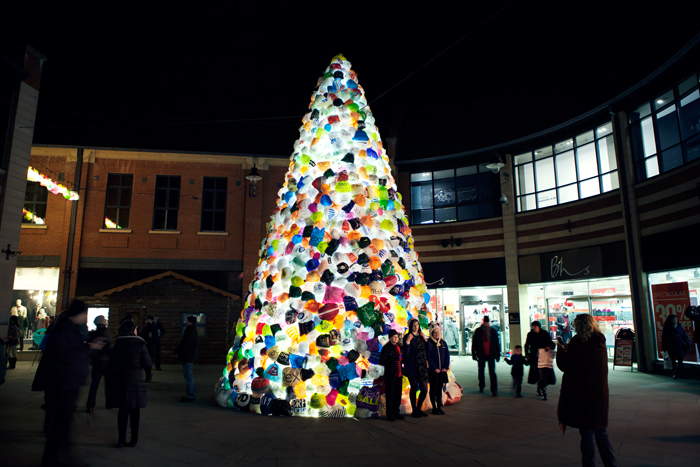
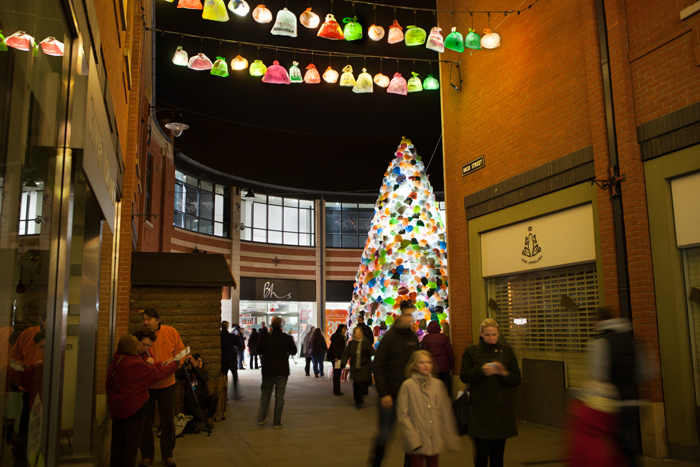
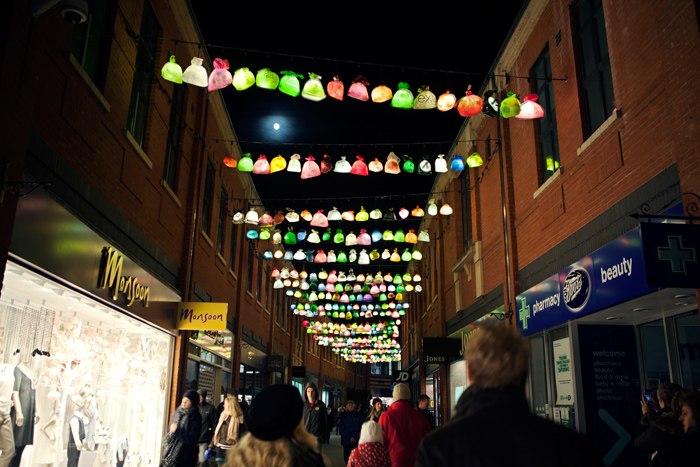

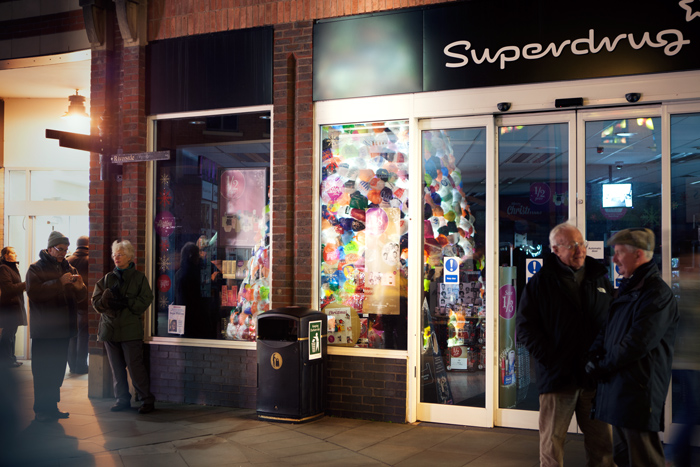

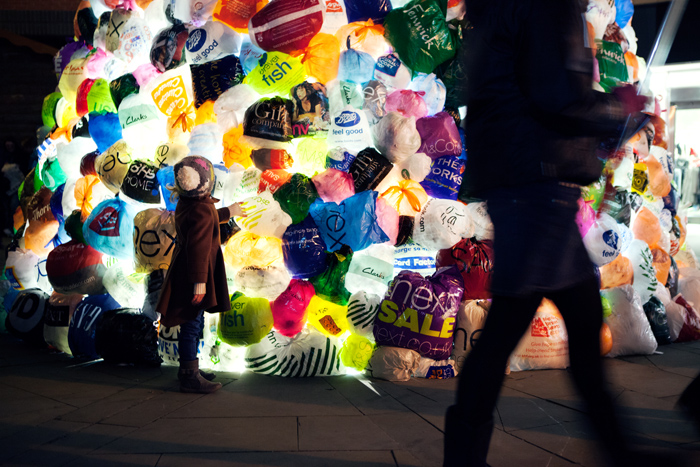

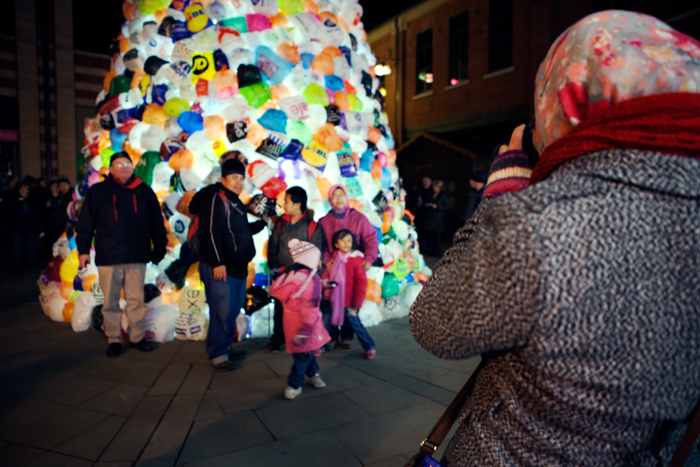





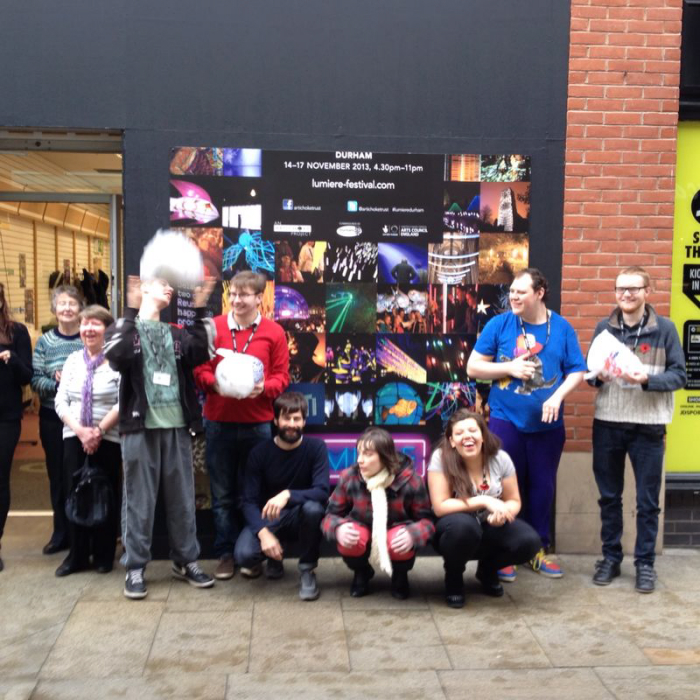
El pasado noviembre nos fuimos de festivales por el mundo… primero visitamos el Glow de Eindhoven donde volvimos a dejar nuestro Río Portátil y de ahí nos marchamos al Lumiere de Durham, para llevar a cabo una pieza a gran escala, que trascendía las fechas del propio festival para seguir iluminando la ciudad durante las fiestas navideñas.
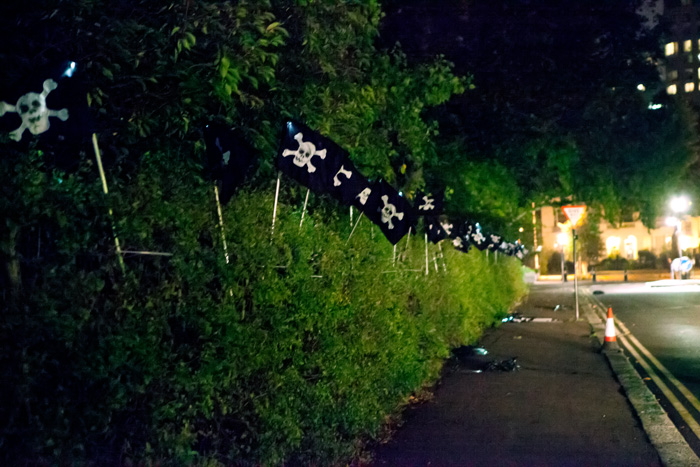
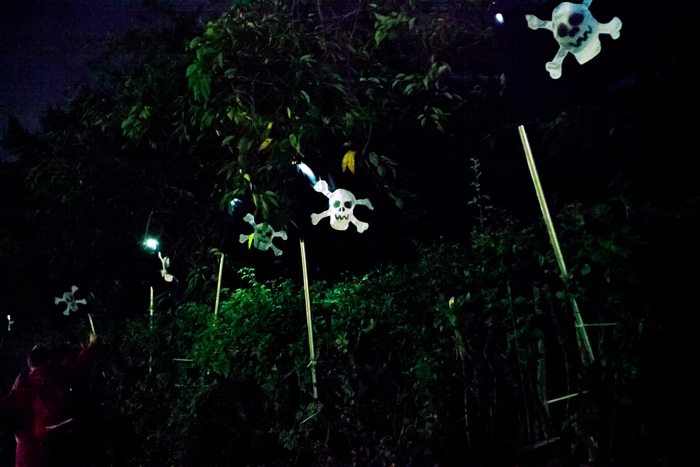
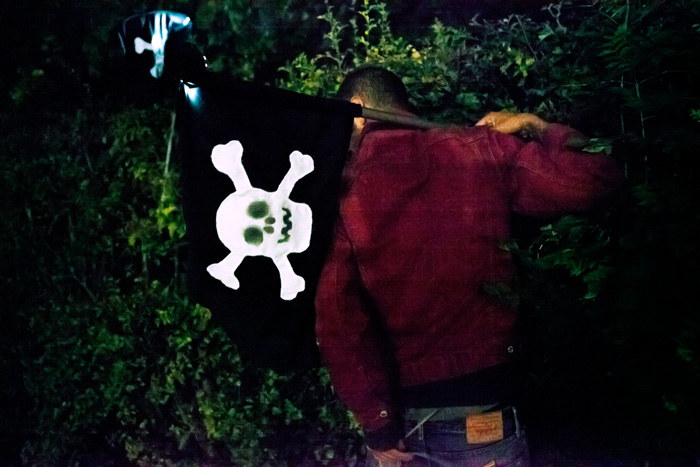
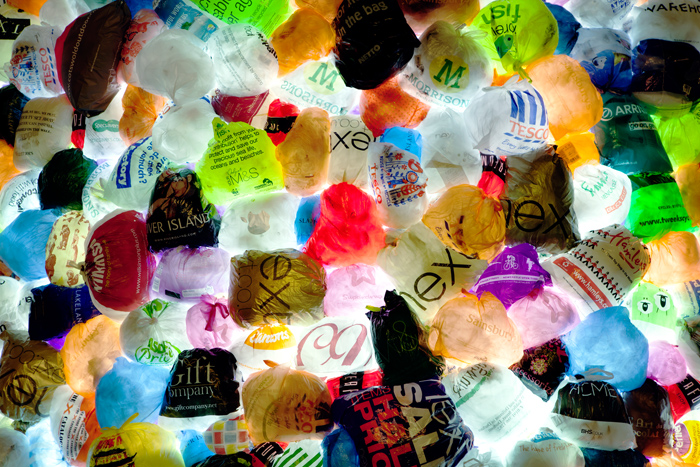
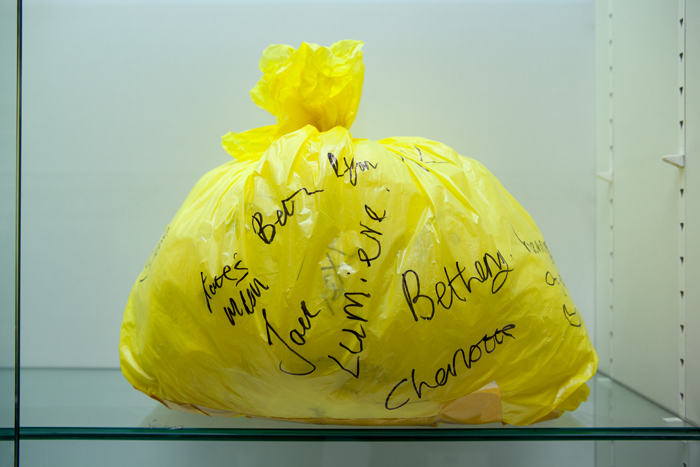
Para esta pieza nos basamos en la instalación Basura plástica custodiando museo, que ya habíamos llevamos a cabo en el Gewerbemuseum, pero esta vez queríamos darle una doble intención de denuncia, por un lado el uso masivo de bolsas de plástico y las consecuencias que este tiene para la medio ambiente, y por otro, el consumo excesivo e innecesario que se produce en estas fechas navideñas.
Tenía todo el sentido esta pieza no sólo por las fechas sino porque el espacio que nos asignaron para su ubicación era la zona comercial del centro de la ciudad y se contaba con el patrocinio de la asociación de comerciantes, que había pedido que la pieza se conservara durante el periodo navideño.
Durante todo el periodo que estuvimos trabajando en la pieza, además coincidió la huelga de los servicios de basura de Madrid, por lo que con más motivos, estuvimos totalmente solidarizados con los trabajadores.
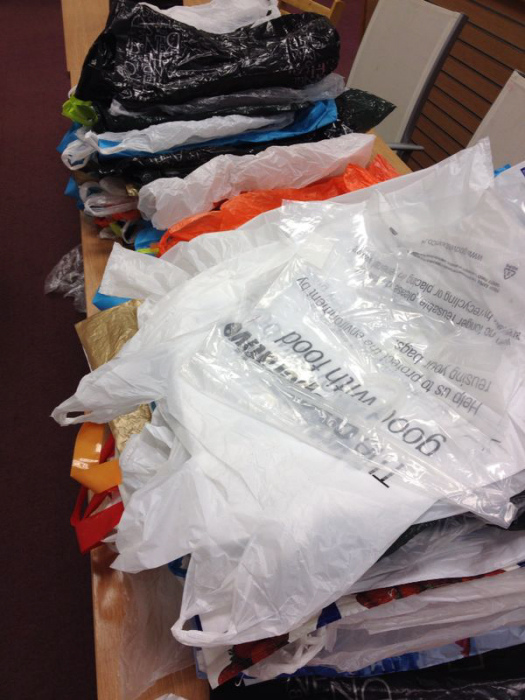
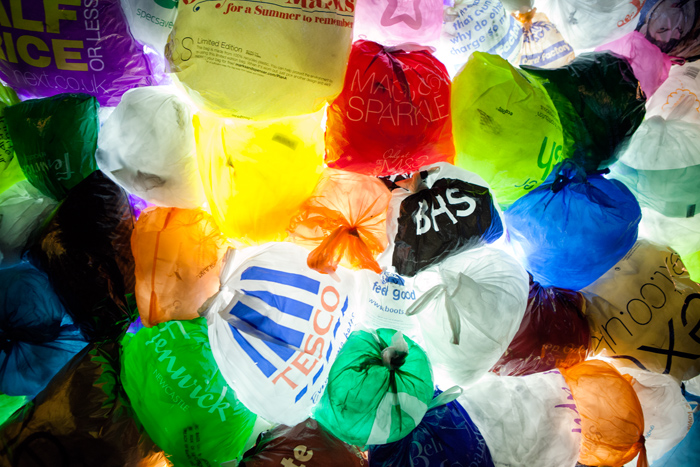
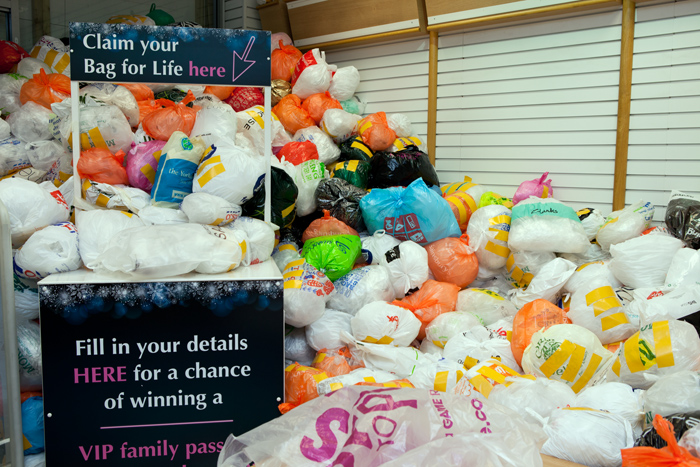
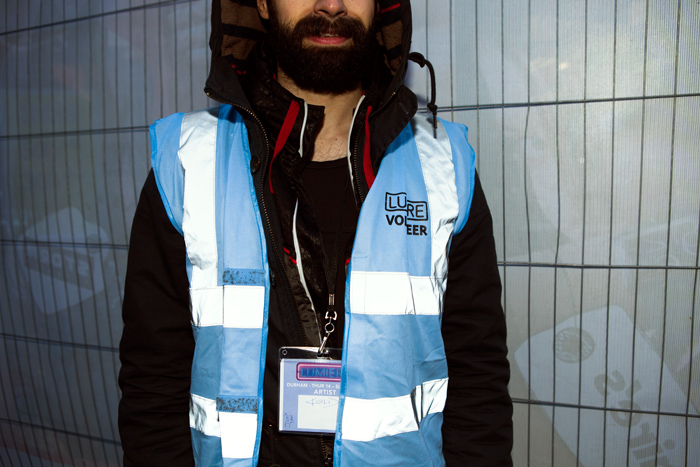
Para llevar a cabo nuestro gigante Consumerist Christmas Tree, por supuesto, necesitamos la colaboración de muchos vecinos, que debían darnos las bolsas que iban acumulando con las compras previas a la navidad.
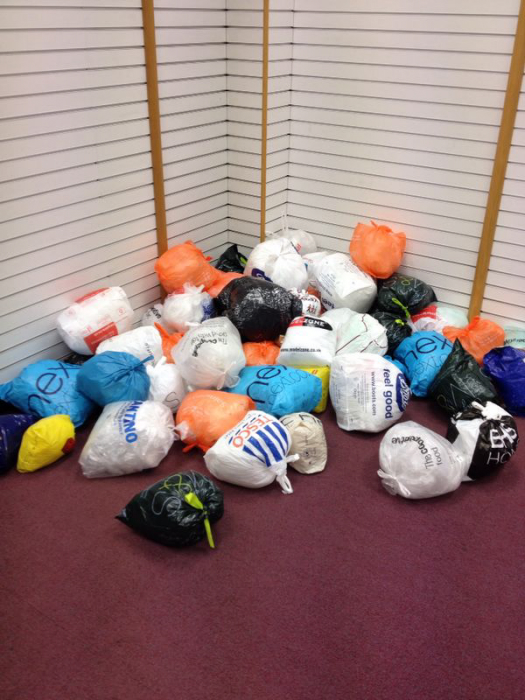
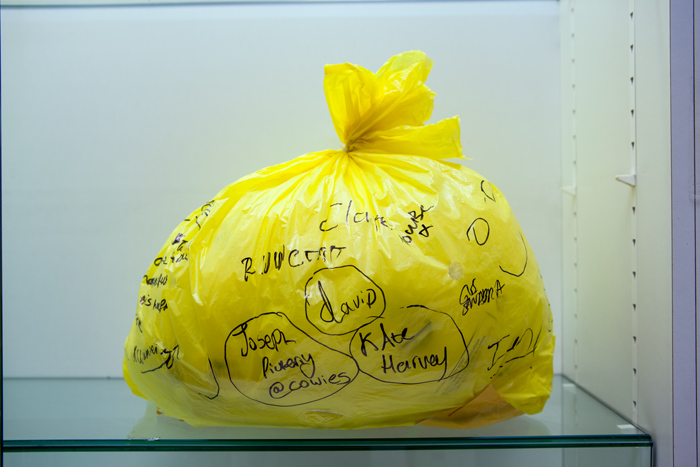
Para animar las donaciones, se organizó una campaña previa de difusión, en la que se invitaba, a cambiar bolsas de plástico por otras de tela diseñadas para la ocasión. De este modo conseguimos unas 4.000 unidades, de las que acabamos usando 3.000. Además, para darles volumen, las llenamos con plástico transparente, generado por las tiendas de alrededor durante las fechas de montaje, inimaginable la cantidad de plástico de embalaje que se desecha en los comercios en estas fechas.
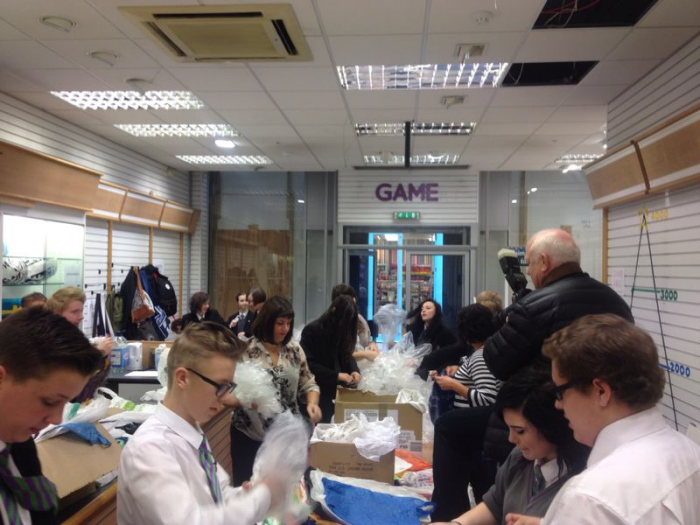
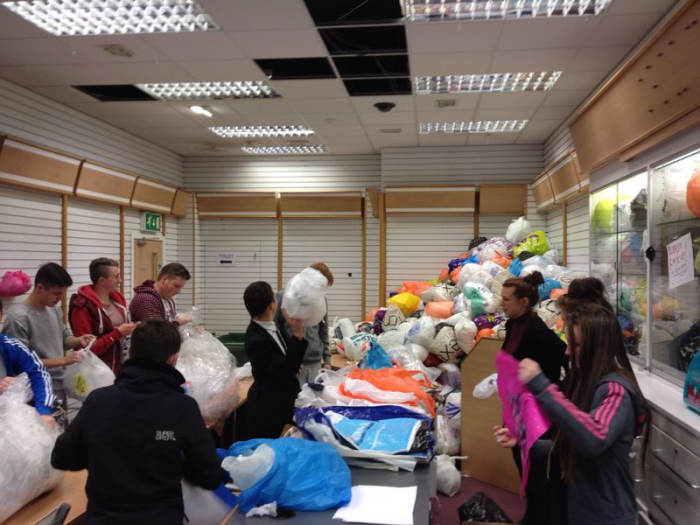
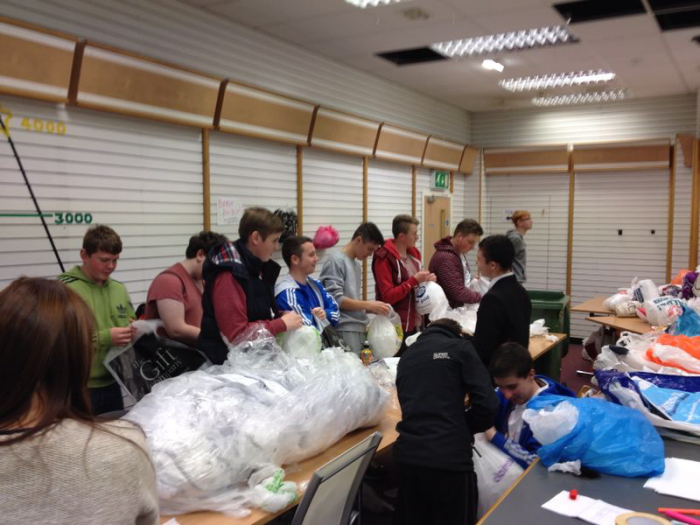
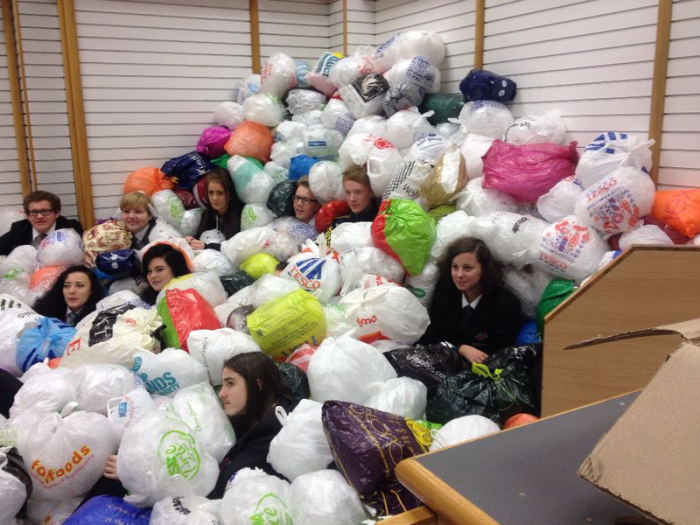
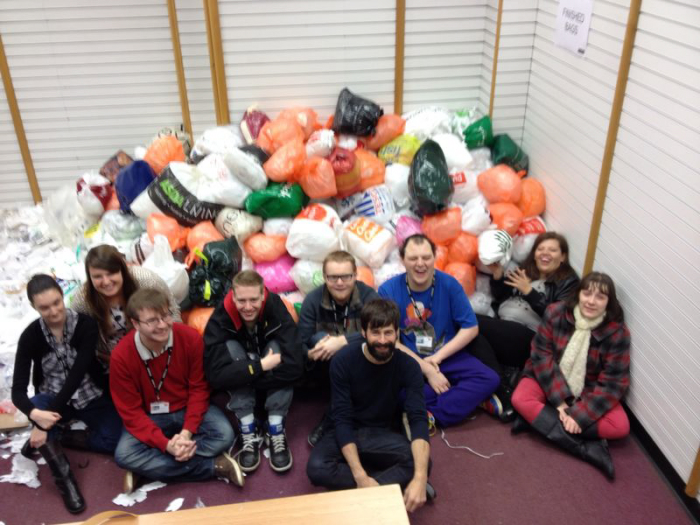
Para llevar a cabo el proceso de montaje, se convocó a vecinos asociaciones y colegios para que se acercaran a nuestro espacio de trabajo, una tienda que se había quedado vacía y que nos sirvió para montar un taller que más que un espacio de trabajo parecía un parque de bolas gigantes, donde lo que más apetecía, era zambullirse entre las bolsas y quedar sepultado. Con mucha ayuda, logramos terminar el trabajo en una semana.
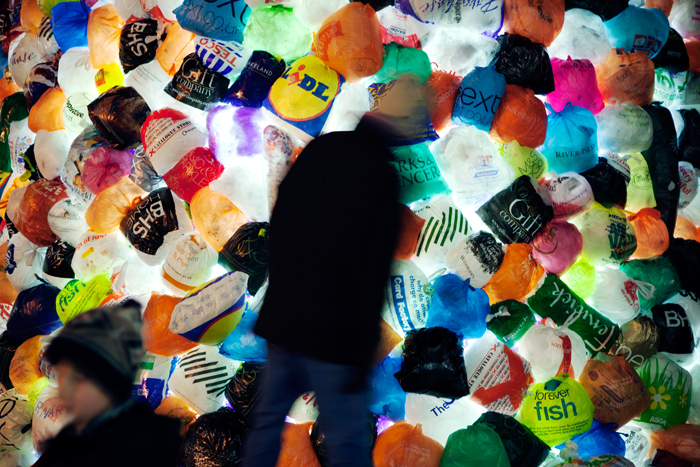
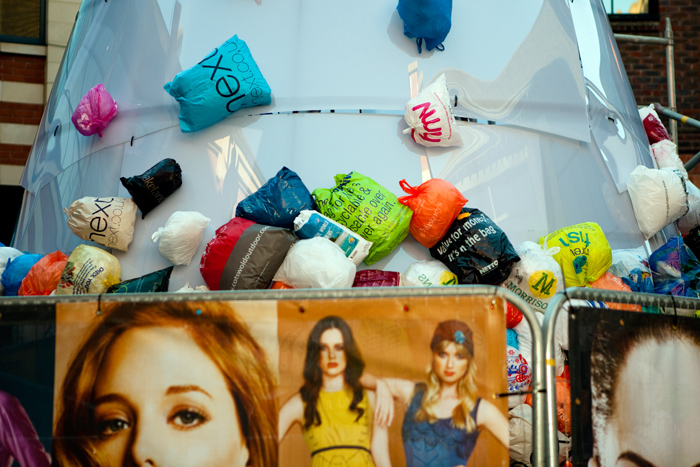
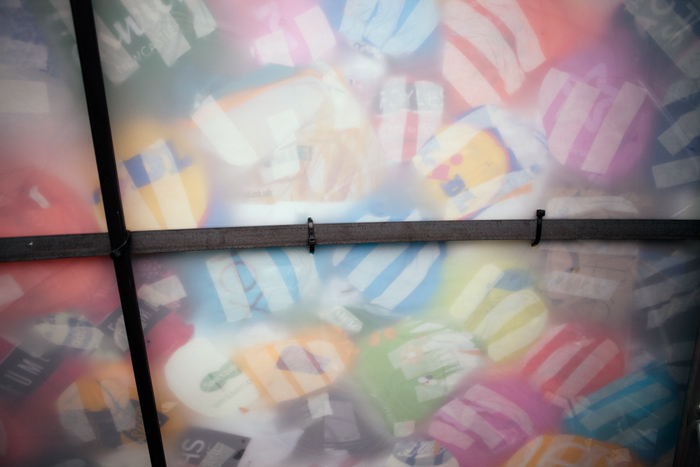
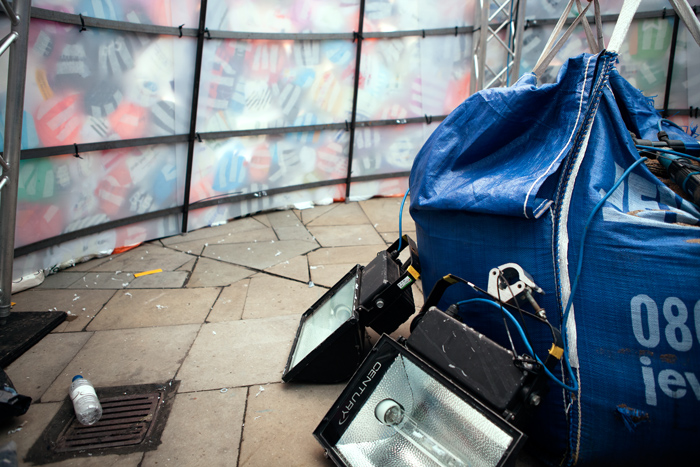
Una vez tuvimos las bolsas llenas y cerradas, nos echamos a la calle, concretamente a la plaza del Prince Bishops Shopping Centre, donde nos esperaba una enorme estructura prefabricada en forma cónica de 9 metros de alto que debíamos forrar con nuestro material plástico.
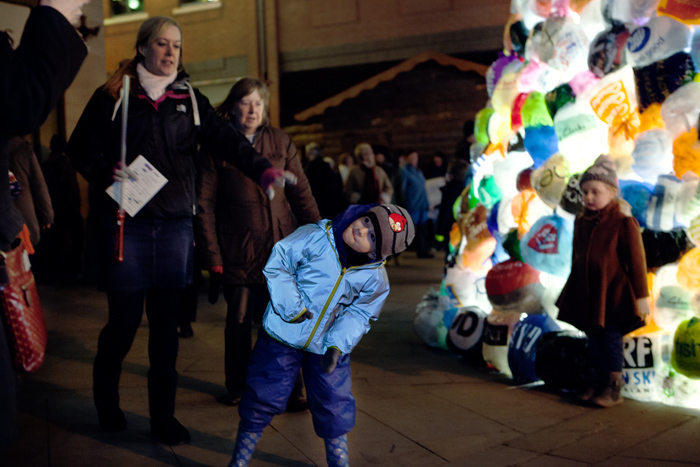
Después, sólo nos quedó meter luz en el interior y ya estaba listo nuestro plastificado y reciclado árbol navideño, hecho a base de montones de bolsas consumistas, que se podían haber dejado de fabricar si la gente concienciada se llevara sus propias bolsas cuando van a hacer la compra.
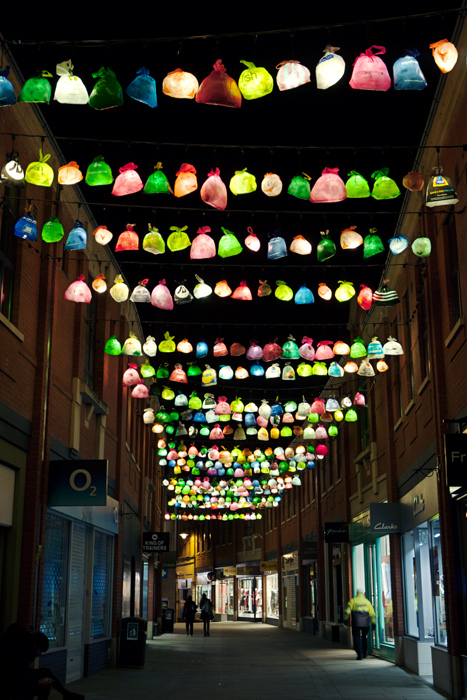
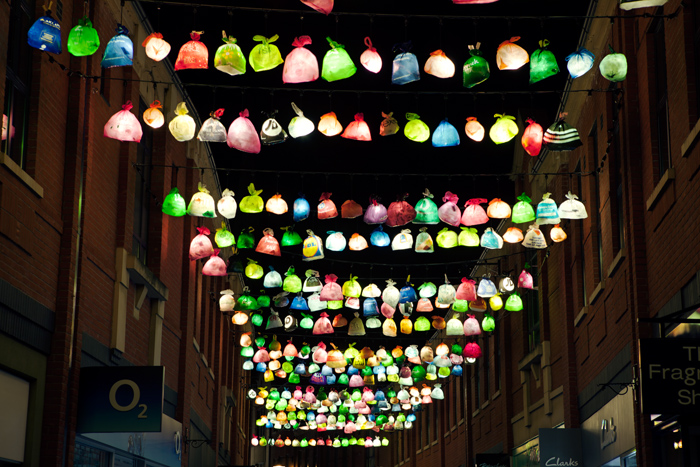
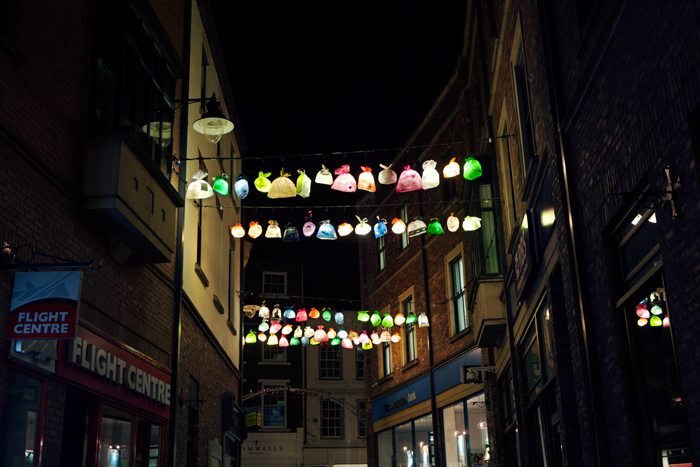
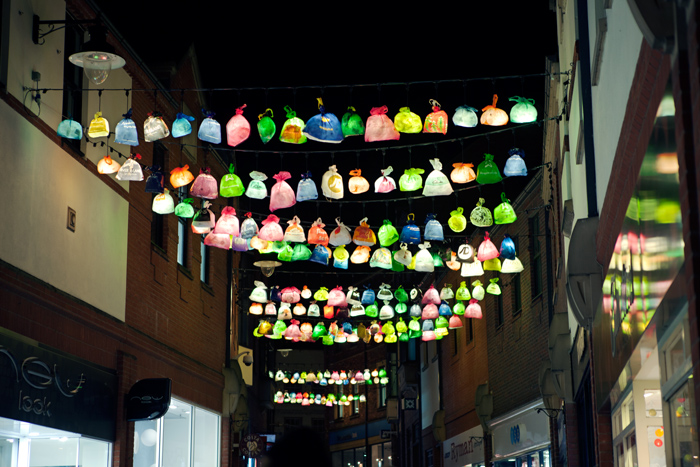
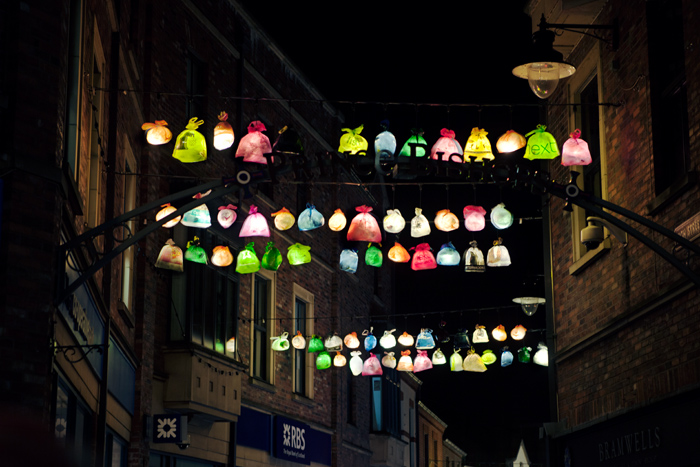
Además, para iluminar todo el camino que conducía al árbol, montamos un tendido de luces que forramos con las bolsas sobrantes, convirtiendo simples bombillas de bajo consumo, en vistosas guirnaldas de luz que daban a la calle un ambiente verbenero de lo más popular.
Al finalizar las fiestas, todos los plásticos serán reciclados convenientemente y las estructuras vueltas a reutilizar, quién sabe para qué.
Disfrutamos como niños, con las bolsas y pasamos unos días increíbles compartidos con vecinos artistas y amigos de la organización.
Queremos dar las gracias a todos los amigos de Artichoke, tanto a los organizadores como a los que trabajaron con nosotros a pie de obra, que con su profesionalidad y buen talante nos lo pusieron todo muy fácil. A los vecinos que nos ayudaron y compartieron buen humor y trabajo duro, a la gente de Prince Bishops Shopping Centre, que además de hacer posible la instalación nos apoyaron logísticamente en todo momento, a nuestro querido amigo Koldo, que fue capaz de conseguir que todo funcionara como un reloj sin ningún tipo de estrés, a Antonio, que nos acompañó y nos hizo pasar una de las noches más divertidas que recordamos,… y por supuesto… a los habitantes de Durham que nos entregaron sus bolsas para una buena causa.
Las fotos, como no podía ser de otro modo, son de Gustavo Sanabria, las de los talleres las tomó Koldo.
Esta pieza ha sido comisionada por Artichoke, para Lumiere, Durham 2013.
Tiempo de montaje: 13 días.
Daños ocasionados: 0.
Permanencia de la intervención: 2 meses.
————————————————-
In November we went to festivals around the world… first we visited Glow in Eindhoven where we once again displayed our Portable River and from there we went to Lumiere in Durham, to carry out a large-scale piece, which transcended the dates of the festival to continue to illuminate the city during the Christmas holidays.
We based this piece on the installation Plastic garbage guarding the museum, that we had already carried out at the Gewerbemuseum, But this time we wanted to give a double edge to our complaint, on the one hand the massive use of plastic bags and the consequences this has on the environment, and on the other hand, the excessive and unnecessary consumption that occurs during the Christmas holidays.
This piece made complete sense not only for the dates, but also because the space allocated to us for its location was the shopping area in the center of the city and was under the sponsorship of the association of merchants, which had requested that the piece be maintained during the Christmas period.
During the whole period that we were working on the piece, in addition, it coincided with the garbage service strike in Madrid, so, for even more reasons, we displayed our total solidarity with the workers.
To carry out our giant Consumerist Christmas Tree, of course, we needed the collaboration of many residents, who had to give us the bags that were accumulating from the shopping prior to Christmas.
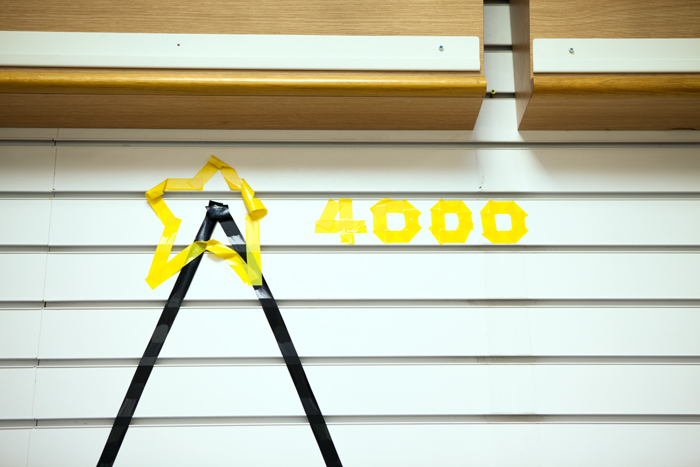
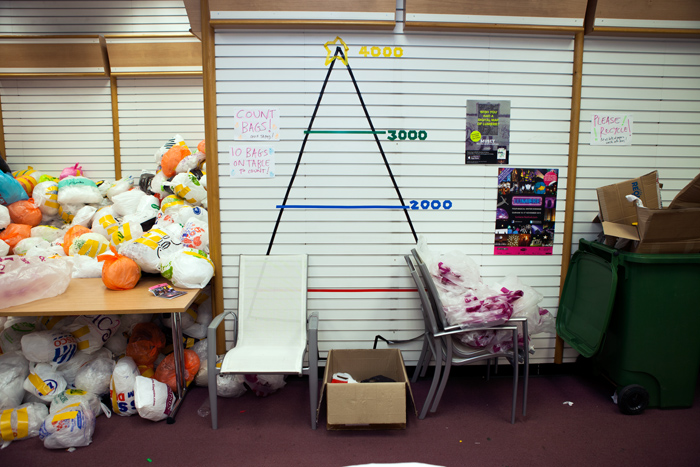
To encourage donations, a campaign was organized prior to its promotion, in which people were invited, to exchange plastic bags for cloth ones designed for the occasion. In this way we got about 4,000 units, of which we ended up using 3,000. In addition, to give them volume, we filled them with clear plastic, generated by the surrounding shops during the assembly dates, the amount of plastic packaging that is discarded by the shops during these dates is beyond imagination.
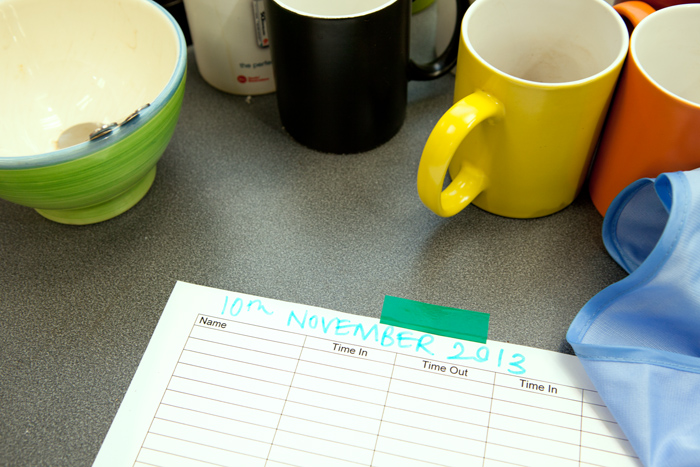
To carry out the assembly process, we reached out to residents associations and colleges to come to our workspace, a store that had been empty and which served to host a workshop, which more than a workspace seemed like a giant ball park, where what one most fancied, was to dive into the bags and remain buried in them. With a lot of help, we completed the work in a week.
Once we had bags filled and closed up, we went out into the street, more precisely, to the Prince Bishops Shopping Centre plaza, where a huge, 9 meter high, conically shaped, prefabricated structure that we had to cover with our plastic materials waited for us.
Afterwards, we only had to put the lights inside them and our plasticized, recycled Christmas tree was ready, made out of piles of consumerist bags, that they could have ceased to manufacture if conscientious people took their own bags with them when they went shopping.
In addition, to illuminate the entire path that led to the tree, we hung some strings of lights that we covered with the leftover bags, turning simple low consumption light bulbs, into colorful garlands of light which brought to the street a festival like environment.
Once the Holidays are over, all the plastics will be conveniently recicled and the structures will be reused, who knows for what.
We enjoyed ourselves like children with the bags and we spent a few incredible days shared with resident artists and friends of the organization.
We want to thank all the friends of Artichoke, both to the organizers as well as to those who worked with us on the project, whose professionalism and good humor made everything very easy for us. To the residents who helped us and shared their good humor and hard work, to the people of Prince Bishops Shopping Center, who in addition to making the installation possible supported us logistically at all times, to our dear friend Koldo, who was able to make everything function like clockwork without any kind of stress, to Antonio, who accompanied us and provided us with one of the most enjoyable nights that we remember,… and of course… to the inhabitants of Durham who gave us their bags for a good cause.
The photos, which could not be otherwise, are by Gustavo Sanabria.
This piece was comissioned by Artichoke, for Lumiere, Durham 2013.
Time of installation: 13 days
Damages: none.
Exhibition time: 2 mounths